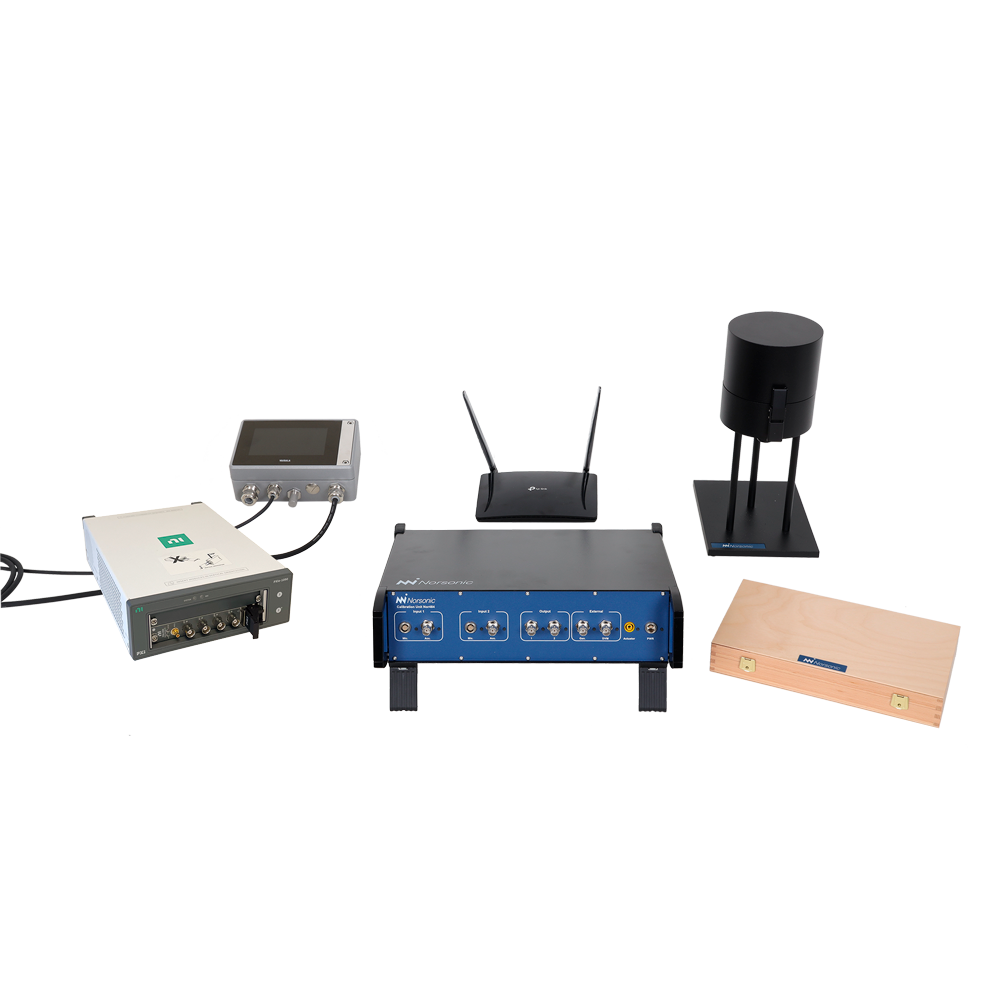
Why is Calibration Important?
Regular calibration is essential to ensure accuracy and reliability of your acoustic measurements. Without proper calibration, measurement results may be invalid for regulatory or legal reports.
Regulatory Compliance
Accredited calibration required for regulatory and legal measurements.
Accuracy
Verify that readings are correct within specification limits.
Traceability
Unbroken chain of comparisons to national and international standards.
Problem Detection
Identify faults or drift before they affect data.
Standards & Regulations
Calibration is governed by international standards. Understanding these requirements is essential for selecting the right equipment.
IEC 61672-3
Sound Level Meter Calibration
Periodic tests to verify sound level meters conform to specifications. Basis for laboratory calibration.
IEC 60942
Sound Calibrators
Requirements for sound calibrators. Defines accuracy classes, output levels, and environmental performance.
ISO 3741
Sound Power - Reverberation Rooms
Sound power determination using reverberation rooms. Requires calibration with reference sound source.
ISO 3744
Sound Power - Free Field Geometry
Sound power determination in free field environment. Used for large products and machinery.
ISO/IEC 17025
Laboratory Accreditation
Competence requirements for calibration laboratories. Basis for accreditation by national bodies.
IEC 61094
Measurement Microphones
Calibration of measurement microphones. Includes primary and secondary comparison methods.
Types of Calibration
There are several types of calibration depending on purpose and equipment used.
Field Check
Quick verification before and after each measurement session using portable calibrator.
Laboratory Calibration
Comprehensive testing per IEC 61672-3 covering full frequency and level range.
Microphone Calibration
Determination of microphone sensitivity and frequency response using comparison methods.
Reference Source Calibration
Verification of reference sound source power level in reverberation rooms or free field.
Equipment Selection
Select the right equipment based on calibration type and application requirements.
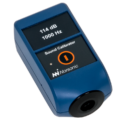
For field checks before and after measurements. Essential for every sound level meter user.
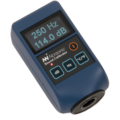
For laboratories and organizations needing to calibrate many instruments.
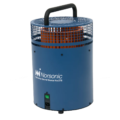
For calibrating sound power measurement systems and acoustic rooms.
Calibration Procedures
Follow these steps to perform calibration correctly.
- 1Ensure calibrator is at stable temperature (wait 1 min after removing from case)
- 2Fit calibrator firmly onto microphone
- 3Turn on calibrator and wait for reading to stabilize
- 4Verify reading is within ±0.3 dB of expected level (typically 94 dB)
- 5Record reading and time of check
- 6Repeat check after measurement session ends
- 1Connect instrument to Nor1525 system via appropriate cable
- 2Fit microphone in calibration coupler
- 3Launch calibration software and select instrument type
- 4Start automatic calibration sequence
- 5Wait for all tests to complete (frequency, level, weighting)
- 6Review results and generate calibration certificate
- 1Position reference source at defined location in reverberation room
- 2Measure sound pressure level at multiple random positions
- 3Calculate average sound pressure level
- 4Calculate sound power using room equation
- 5Compare with certified calibration value
- 6Document results and uncertainty